
The Hidden Cost of Layoffs
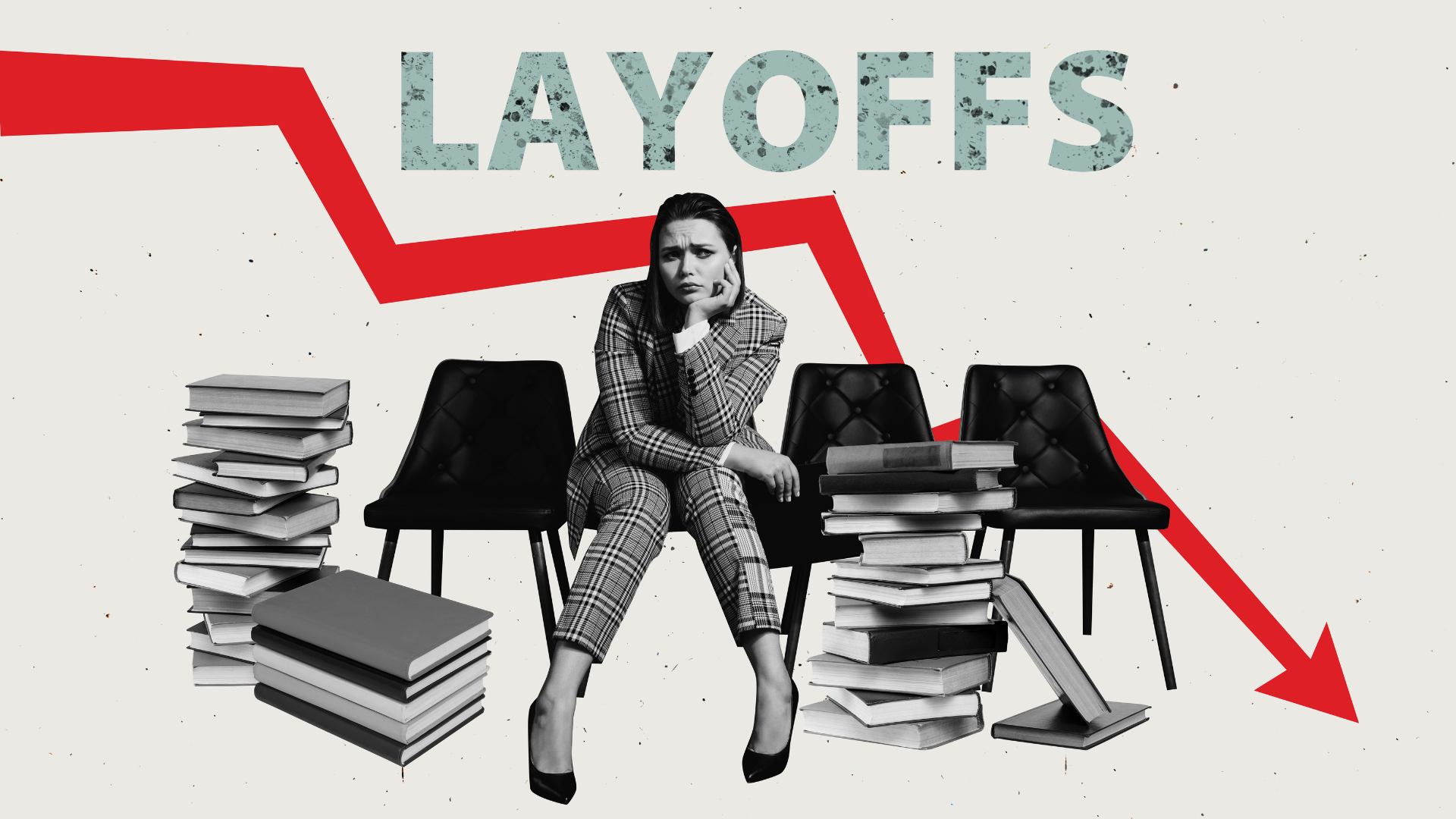
When the process of cutting destroys more value than the restructuring creates, you don’t have cost savings, you have expensive chaos.
BY SHONNA WATERS
Originally Published in Inc.
When federal agencies began implementing Department of Government Efficiency measures in January 2025, leadership promised streamlined operations and cost savings. Two months later, the productivity of federal employees had fallen 17 percent.
The reason? The psychological impact of how the changes were executed—the insecurity, chaos, and broken trust—had roughly twice the negative effect on productivity compared to any operational gains from the restructuring itself.
In short, the process used to create more efficiency has destroyed any value the efficiency measures could possibly create.
Corporate America is making the same mistake
This problem isn’t confined to the federal government. Corporate America is making the same mistake. U.S. employers announced 1.17 million job cuts in 2025, the highest level since the Covid-19 pandemic. But here’s what doesn’t show up in a board deck the first quarter after layoffs: knowledge walking out the door, survivors carrying unsustainable workloads, quality slipping, and the company quietly rehiring roles it just eliminated.
A July 2025 survey of 600 HR leaders found that 78 percent had conducted multiple rounds of layoffs within 12 months. Of those, 40 percent were cutting quarterly. Nearly half ended up rehiring up to a quarter of the eliminated roles within a year. Meanwhile, 47 percent reported productivity declines and 41 percent saw increased resignations among the survivors they’d fought to keep.
This is not efficiency. This is expensive chaos dressed up in spreadsheet language.
The math that doesn’t add up
When you factor the costs to hire replacements, the savings start to look like accounting fiction. Research pegs the cost at somewhere between 50 percent to 200 percent of the eliminated employee’s annual salary. That doesn’t include the cost of unemployment insurance tax, or the indirect cost of lower productivity because remaining employees are either overloaded or disengaged.
A meta-analysis of 34,594 layoff announcements in 2022 found that markets, on average, penalize companies that make reactive layoff decisions with a -0.55 percent cumulative abnormal return. Investors have learned to differentiate between reactive layoffs (which signal distress) and proactive, strategy-driven reductions. The market is essentially saying: We don’t believe you.
The psychological dimension of layoffs isn’t soft or secondary. It’s often the determining factor in whether cuts achieve their intended goal. Research on “survivor syndrome” shows that employees who remain after layoffs experience lower organizational identification, reduced performance, diminished creativity, and higher stress.
In our work studying workplace angst, we’ve found that transparent communication reduces the odds of performance-killing angst by roughly 4.5 times. The inverse is equally true: When layoffs are executed without clear rationale, when messaging is corporate jargon instead of truth, you create exactly the conditions that drive the productivity collapse that defeats the purpose of cutting in the first place.
If cuts are truly unavoidable
Before layoffs, pressure-test the problem. Is this a cyclical shock or a structural shift? Cyclical shocks call for time-bound buffers like reduced hours or work-sharing programs. Use measures that avoid layoffs such as stopping low-value work, freezing noncritical hiring, and redeploying talent to growth areas.
If layoffs are truly unavoidable: cut once, not quarterly. Serial reductions signal distress and magnify productivity drag. Explain to your employees the why, why now, and why this way in plain language. If you can’t explain it without corporate jargon, you probably shouldn’t do it.
Protect your operating system.If you built a high-involvement culture, maintain those practices through the reduction. Transparency and respectful treatment shouldn’t be suspended during hard times. They’re what determines whether you can execute the strategy you claim the layoffs are enabling.
Final thoughts
A layoff announcement is essentially the beginning of a 90-day re-onboarding process for survivors. Reset remaining employees’ workloads, clarify decision rights, kill work that no longer fits, and fund reskilling before you start to count savings.
Layoffs can buy time. They also sacrifice long-term success for short-term relief when they become serial, when they cut into the capability you need to execute strategy, or when the process of executing them creates more productivity drag than the restructuring could possibly offset.
Efficiency that destroys capability isn’t efficiency. It’s just expensive chaos with a better presentation deck.
