
ARTICles

How to cultivate optimism in others
The way we explain the events in our lives, our personal storytelling, and thus how we envision the future, has a huge impact on our resilience and wellbeing. BetterUp’s research finds that people who start out low on optimism see a 68% increase in 3-4 months of coaching. James shared with me how rewarding it is to see this kind of growth amidst crisis. “As they start to recognize how they think of their situation and challenge it, they are in more control. They get back some sense of control, despite the chaos. This allows for optimism to bloom.”

How self-compassion strengthens resilience
Practicing self-compassion may not be second nature to you (and you’re not alone if it doesn’t). But with the right focus and guidance (hint, hint: use those tips above), you can quiet that inner critic and begin not only being nicer to yourself but also turning those things that would’ve flipped you upside down into opportunities to celebrate your humanity and thrive.

The Role of emotional regulation in life (and work)
Happiness. Sadness. Disgust. Fear. Surprise. Anger. Emotions come in all shapes and sizes, don’t they? At times like these, when you’re being asked to flex and bend in new and challenging ways, emotions can vary greatly. And it’d be easy to get stuck in a rut of negative emotions, letting uncertainty dictate your thoughts and actions.

Why cognitive agility matters
In recent years, there’s been a lot of talk about cognitive agility. But, if you’re like many, you may still be scratching your head as you wonder what exactly is it, and – more to the point – are you good at it? And, if you’re not, are there ways to get better at it?
Spoiler Alert: Yes, there are ways to strengthen your cognitive agility… at any time, even during a crisis.
Featured Whitepapers and Reports
How Should Leaders Evaluate AI Automation Opportunities?
The Adaptive Organization: Building and Evolving Culture Across Growth Stages
When “Efficiency Initiatives” Cost More Than They Save
Unleashing your star performers: A leader’s guide to unlocking exponential value

The Adaptive Challenge Undermining Your AI Transformation
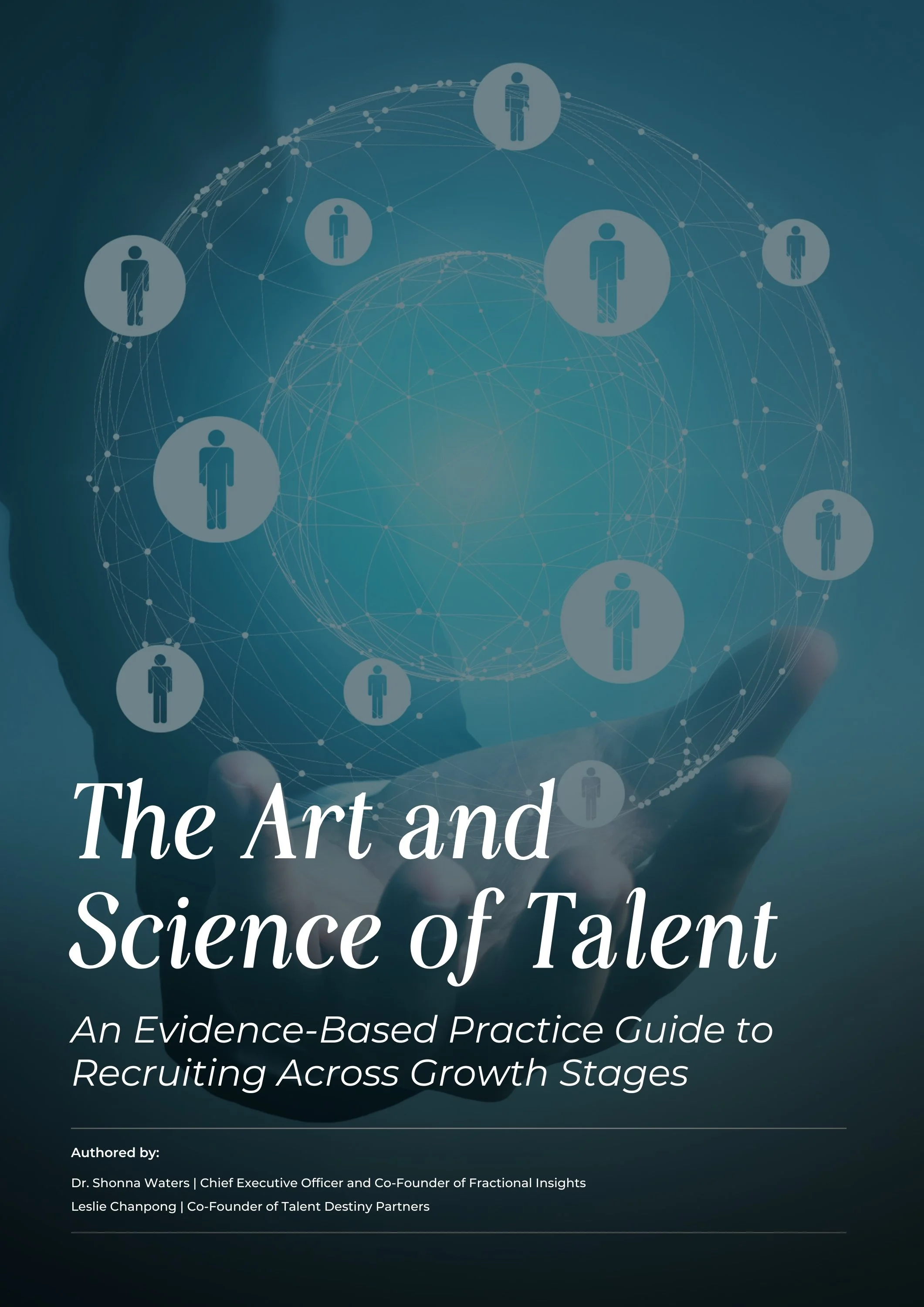
The Art and Science of Talent: An Evidence-Based Practice Guide to Recruiting Across Growth Stages

People Analytics Across Company Growth Stages: Evolving Your Approach as You Scale
How unmet human needs create drag on organizational performance

The Leadership Edge in Venture Capital: Growing Founder Capacity for Maximum Returns

Scaling Leadership Potential: A Success Roadmap for Founders, Executives, and Investors
The hidden cost of ungoverned pay decisions